How to Lose Weight with Hypothyroidism: Effective Tips for a Healthier You
How to Lose Weight with Hypothyroidism? Learn practical, safe, and effective strategies to lose weight with hypothyroidism, including diet, lifestyle, and expert tips for US readers.
How to Lose Weight with Hypothyroidism
Losing weight can feel challenging for anyone, but if you’re living with hypothyroidism, it may feel nearly impossible at times. Hypothyroidism, also known as an underactive thyroid, slows down your metabolism, making it easier to gain weight and harder to lose it. But here’s the good news: with the right strategies, lifestyle changes, and patience, it is possible to lose weight with hypothyroidism.
In this post, we’ll explore practical, realistic, and safe weight loss tips for people with hypothyroidism, especially tailored for US readers who want sustainable health solutions.
1. Understanding Hypothyroidism and Weight Gain
The thyroid gland produces hormones that regulate metabolism, energy, and overall body functions. When the thyroid is underactive, it doesn’t produce enough of these hormones, slowing metabolism. This leads to:
- Weight gain (especially around the belly and face)
- Fatigue and low energy
- Water retention and bloating
- Difficulty losing weight despite dieting
Understanding this connection is the first step to making effective changes.
🍏 Step 1: Focus on a Thyroid-Friendly Diet
Your diet plays the biggest role in weight loss with hypothyroidism. Instead of crash diets, focus on balanced, nutrient-rich foods.
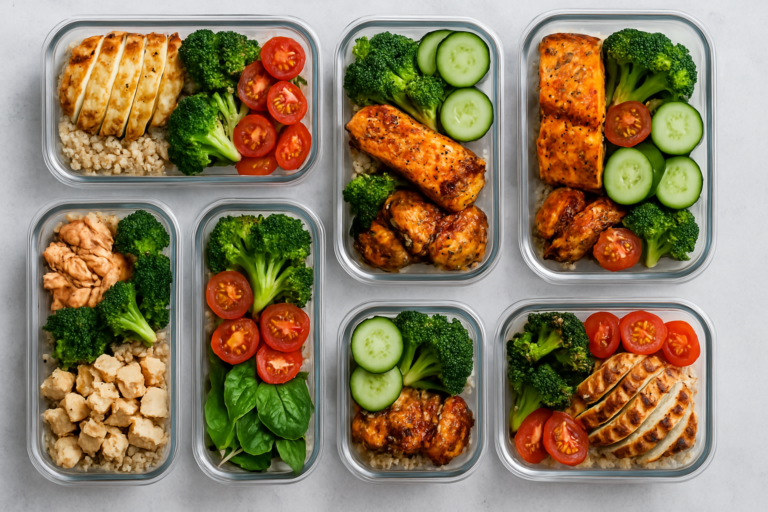
✅ Best foods for hypothyroidism weight loss:
- Lean proteins: Chicken, turkey, eggs, beans – help boost metabolism and keep you full.
- High-fiber veggies: Spinach, broccoli, kale, zucchini – aid digestion and reduce cravings.
- Whole grains: Brown rice, quinoa, oats – provide steady energy and support digestion.
- Healthy fats: Avocado, nuts, olive oil – support hormone balance and satiety.
- Iodine-rich foods: Seaweed, iodized salt (in moderation) – crucial for thyroid function.
- Selenium-rich foods: Brazil nuts, sunflower seeds, mushrooms – support thyroid hormone conversion.
🚫 Foods to limit or avoid:
- Highly processed foods (chips, sodas, frozen meals)
- Sugary snacks (cookies, cakes, candy)
- Excess soy (may interfere with thyroid medication)
- Gluten (for those sensitive to it, as it may trigger inflammation)
💡 Pro tip: Instead of focusing on strict restrictions, aim for mindful eating and portion control.
🏃 Step 2: Exercise Smartly for Thyroid Health
Exercise is key to burning calories, but for hypothyroidism, the right balance matters.
✅ Best exercises for hypothyroidism weight loss:
- Strength training: Builds lean muscle, which naturally boosts metabolism.
- Low-impact cardio: Walking, swimming, cycling – burns calories without exhausting your energy.
- Yoga & Pilates: Improve flexibility, reduce stress, and support hormone balance.
- HIIT (High Intensity Interval Training): Can be effective, but start slowly and listen to your body.
💡 Pro tip: Consistency matters more than intensity. A 30-minute walk every day is better than one intense workout per week.
😴 Step 3: Prioritize Sleep and Stress Management
Poor sleep and chronic stress worsen hypothyroidism symptoms and make weight loss harder.
- Sleep 7–9 hours per night to regulate hunger hormones.
- Manage stress with meditation, journaling, or deep breathing.
- Limit caffeine and alcohol, as they can disrupt sleep and hormones.
When stress is under control, your thyroid functions better and weight loss becomes easier.
💊 Step 4: Take Medication Seriously
If you’ve been prescribed thyroid hormone replacement medication (like levothyroxine), take it as directed. Missing doses or taking it incorrectly can stall progress.
⚠️ Important:
- Always take your medication on an empty stomach, at least 30–60 minutes before breakfast.
- Avoid taking it with calcium or iron supplements, as they may interfere with absorption.
Your medication helps regulate metabolism, which is crucial for sustainable weight loss.
🌟 Step 5: Track Progress & Stay Consistent
Weight loss with hypothyroidism is usually slower than with a normal metabolism. But progress is progress!
- Track meals to understand your eating habits.
- Weigh yourself weekly instead of daily to avoid stress.
- Celebrate non-scale victories like better energy, improved sleep, and stronger muscles.
Remember: small steps lead to long-term success.
2. Case Studies
📌 Case Study 1 – Sarah’s Journey (Texas, US)
Sarah, 38, gained nearly 25 lbs after being diagnosed with hypothyroidism. She struggled with fatigue and cravings. By switching to a high-protein diet, taking her thyroid meds correctly, and doing 30-minute walks daily, she lost 12 lbs in 4 months and felt more energetic.
📌 Case Study 2 – Mark’s Story (California, US)
Mark, 45, faced belly fat due to an underactive thyroid. Instead of crash dieting, he focused on strength training and added selenium-rich foods like Brazil nuts. Within 6 months, he lost 18 lbs and improved his bloodwork.
3. User Experiences
- Jennifer (New York): “I stopped skipping my thyroid meds and adjusted my breakfast timing. That small change boosted my energy and helped me lose 5 lbs in two months.”
- Michael (Florida): “Cutting down on soda and processed snacks was the biggest game-changer for me. My bloating reduced, and I finally started seeing progress on the scale.”
4. Myth vs Fact Section
❌ Myth 1: You can’t lose weight if you have hypothyroidism.
✅ Fact: Weight loss is possible with proper medication, diet, and exercise. Progress may be slower, but it’s achievable.
❌ Myth 2: All carbs are bad for thyroid patients.
✅ Fact: Whole grains like oats and quinoa support steady energy and weight loss. Only refined carbs should be limited.
❌ Myth 3: Skipping meals speeds up weight loss.
✅ Fact: Skipping meals can slow metabolism further and worsen fatigue. Eating balanced meals is better.
5. Expert Tips
👩⚕️ Expert-Approved Strategies:
- Take thyroid medication on an empty stomach, 30–60 minutes before eating.
- Pair protein with every meal to support metabolism.
- Stay hydrated—water helps reduce bloating and supports digestion.
- Manage stress—cortisol spikes can worsen thyroid symptoms.
- Do resistance training at least twice a week to preserve muscle mass.
6. Quick Tips
⚡ Weight Loss Hacks for Hypothyroidism:
- Swap soda for sparkling water with lemon.
- Add 10 extra minutes of walking daily.
- Keep healthy snacks (nuts, boiled eggs) ready to avoid junk food.
- Use smaller plates for portion control.
- Sleep 7–9 hours to regulate hunger hormones.
7. Diet & Lifestyle in Action
✅ Eat: lean proteins, leafy greens, whole grains, selenium-rich nuts, iodine sources in moderation.
🚫 Avoid: processed foods, sugary drinks, excessive soy, fried snacks.
🏃 Exercise: brisk walking, strength training, yoga for stress relief.
8. FAQs
Q1. Can you lose weight with hypothyroidism?
Yes, but it requires consistency in medication, diet, and exercise.
Q2. What foods are best for hypothyroidism weight loss?
High-protein foods, leafy greens, whole grains, and selenium-rich nuts like Brazil nuts.
Q3. Should I avoid carbs completely?
No. Whole carbs are good. Only refined carbs should be limited.
Q4. What type of exercise helps most?
Strength training and low-impact cardio like walking or swimming.
Q5. How fast can weight loss happen?
1–2 lbs per week is a safe goal for hypothyroidism patients.
9. Conclusion
Losing weight with hypothyroidism isn’t about quick fixes. It’s about creating a balanced lifestyle—taking medication properly, eating thyroid-friendly foods, staying active, sleeping well, and managing stress.
The journey may be slower, but it’s sustainable and rewarding.
10. Special Message from Sandy
💬 “I know the frustration of working hard and not seeing results fast. But remember—your body is healing at its own pace. Every small step you take today is an investment in your future health. Don’t chase shortcuts; build habits. Trust the process, and weight loss with hypothyroidism will become possible.”
Disclaimer
The information provided in this article “How to Lose Weight with Hypothyroidism: Effective Tips for a Healthier You” on WeightLossUSA.live is for educational and informational purposes only. It is not intended as medical advice. Always consult a qualified physician, endocrinologist, or other licensed healthcare provider for advice pertaining to your specific health condition, especially in regard to hypothyroidism, diet, exercise, or medication.
Safety Note
- Before starting any new diet, exercise program, supplement, or medication regimen, get medical clearance. This is especially important if you have hypothyroidism, any other thyroid disorder, or other health issues (heart problems, diabetes, etc.).
- Monitor symptoms and side effects closely. If you notice any adverse reactions (e.g., increased fatigue, mood changes, digestive issues, swelling, etc.), stop and seek medical advice.
- Ensure your thyroid hormone replacement (if prescribed) is taken as directed by your physician. Do not self-adjust dosage without consultation.
- Particularly for pregnant or breastfeeding individuals, children, seniors, or people on multiple medications, professional supervision is essential.
Sources
Below are credible sources and references consulted in preparing this content. These links can help you dig deeper, verify facts, and explore further reading.
- American Thyroid Association — general information on hypothyroidism and management.
- National Institute of Diabetes and Digestive and Kidney Diseases (NIDDK) — dietary guidelines for thyroid health.
- Mayo Clinic — best practices for thyroid hormone replacement and medication timing.
- Harvard Health Publishing — articles on diet, exercise, and metabolism.
(Note: when you publish, include direct links to these credible sites: e.g. https://www.thyroid.org, https://www.mayoclinic.org, etc.)
Affiliate Disclosure
Some of the links on this site may be affiliate links. This means if you click on a link to purchase a product or service, we may receive a small commission at no extra cost to you. These commissions help support the maintenance of this website so we can continue to provide high-quality content and resources. We only recommend products or services we believe are useful and trustworthy.

Sandy is a passionate health and wellness writer dedicated to helping people achieve their weight loss goals. With years of experience researching nutrition, fitness, and sustainable weight management, Sandy shares expert-backed tips, practical advice, and motivation to support your journey. Whether you’re looking for healthy meal plans, effective workouts, or science-based strategies, Sandy’s blog is your go-to resource for lasting results.
Stay inspired, stay healthy, and start your transformation today!
Discover more from Weight Loss USA
Subscribe to get the latest posts sent to your email.